


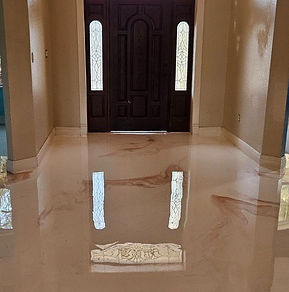


Resin Garage Floor Coating That Lasts
- JT Thomas
- 2 hours ago
- 6 min read
A garage floor usually tells the truth faster than a sales pitch. If a coating is peeling at the tires, hot-tire pickup is showing after one summer, or the surface already looks cloudy and worn, the problem is rarely "bad luck." Most of the time, it comes down to the wrong system, poor prep, or a contractor pushing speed over durability. That is exactly why homeowners should look harder at any resin garage floor coating before they buy it.
The phrase sounds simple enough, but "resin" covers a wide range of materials. Some are tough enough for years of vehicle traffic, dropped tools, moisture swings, and chemical exposure. Others are dressed up with good marketing and a short install window, but they do not have the build, bond, or wear resistance needed for a real working garage. If you want a floor that looks sharp and performs like it should, the details matter.
What resin garage floor coating actually means
At the most basic level, a resin garage floor coating is a liquid-applied system that cures into a hard, protective surface over concrete. That system might be epoxy, polyaspartic, polyurethane, or a combination built in layers. The chemistry changes how it penetrates, bonds, cures, resists impact, handles UV exposure, and wears over time.
That is where a lot of confusion starts. Some companies use "epoxy" as a catch-all term. Others avoid the word because they want to sell a faster-curing product. The truth is more balanced than either side admits. Epoxy is still one of the best base materials for garage floors when the concrete is prepped correctly and the product is industrial grade. Polyaspartic and polyurethane topcoats can add benefits too, especially for UV stability and scratch resistance. The right answer is not one magic material. It is the right system for the slab, the use, and the conditions.
Why cheap garage coatings fail so fast
A garage is harder on coatings than many people realize. You have vehicle weight, tire heat, road salts, oil drips, humidity, occasional moisture vapor from the slab, and a lot of abrasion from everyday use. That is not a place for bargain-bin chemistry or surface prep shortcuts.
The biggest failure point is almost always preparation. Concrete needs to be mechanically ground so the coating can bite into the surface. Acid washing is not the same thing. Cleaning alone is not the same thing. A shiny slab with contaminants, weak surface laitance, or hidden moisture issues will fight adhesion from day one.
The second problem is low-solids material. A lot of DIY kits and entry-level contractor systems are watered down with fillers or solvents. They roll on thin, they look fine for a little while, and then they start showing their limits. Thin film means less impact resistance, less chemical resistance, and less room for normal wear before the floor starts looking tired.
The third issue is unrealistic promises. If somebody is selling a floor based mostly on how fast they can get in and out, ask what is being sacrificed. Fast cure has its place, but not if it comes at the expense of proper crack treatment, moisture evaluation, surface profile, or enough build in the coating system.
Epoxy, polyaspartic, and hybrid systems
Homeowners often ask which resin is best. Fair question, but the honest answer is that it depends on the full system, not just the label.
Epoxy as a base coat
A quality epoxy base coat gives you excellent adhesion, strong build, and very good chemical resistance. It is especially effective when installed over properly ground concrete because it can create a thick, stable bond line that holds up under real use. In many garages, epoxy is the workhorse layer doing the heavy lifting.
Its trade-off is UV sensitivity. If left exposed to direct sunlight, some epoxy products can amber over time. That does not usually affect performance, but it can affect appearance near garage doors or in bright spaces.
Polyaspartic and polyurethane topcoats
These are often used as topcoats over an epoxy base. They bring good abrasion resistance and better UV stability, which helps keep the floor looking cleaner and more color-true. They can also cure faster, which is helpful when scheduling matters.
But faster cure is not automatically better. It shortens working time, which means installation skill becomes even more important. A poorly trained crew can make a mess quickly with fast-curing material.
Hybrid systems
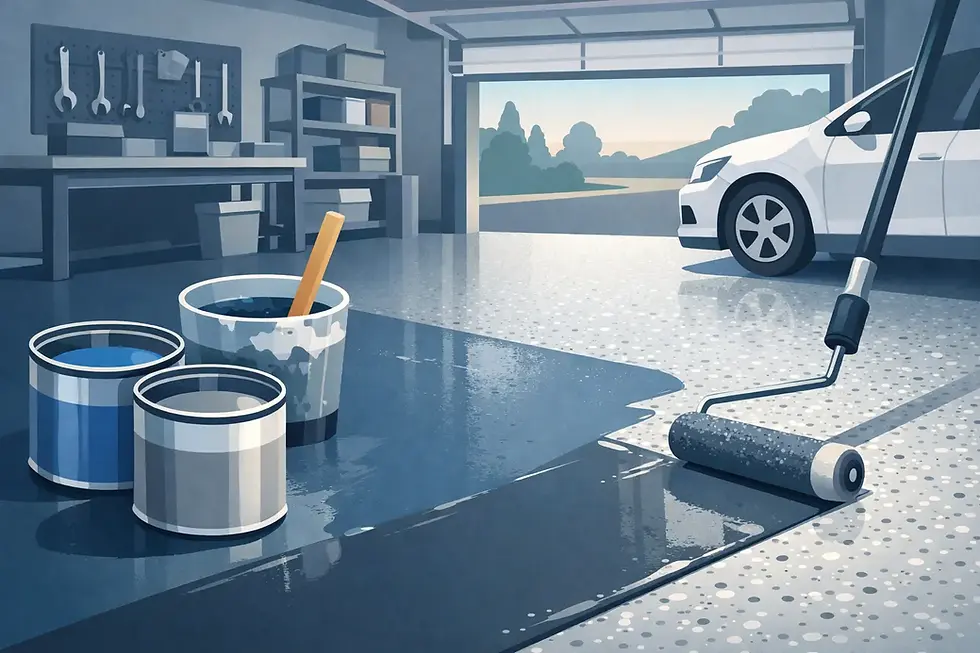
For many garages, the smartest build is a layered system. That might mean an epoxy primer or base coat for bond and build, decorative vinyl flakes for texture and appearance, and a UV-stable topcoat to lock it all in. That kind of system gives you a better balance of adhesion, durability, and long-term looks than a one-material sales pitch.
What a professional install should include
If you are comparing estimates, do not just compare square-foot pricing. Ask what is actually included. A good-looking floor and a long-lasting floor are not always the same thing.
Concrete prep should start with mechanical grinding using the right equipment, not a quick wash-and-coat approach. Cracks, spalls, and damaged joints should be evaluated and treated properly. Moisture matters too. If the slab has vapor issues, they need to be addressed before a coating goes down, not after it blisters.
Material thickness matters. So does whether the flakes are lightly broadcast for decoration or fully broadcast for better texture and wear. Topcoat choice matters based on sunlight, traffic, and how the garage is used. A garage that stores a weekend car is not the same as one used for daily parking, welding, weight training, or small-engine repair.
A solid contractor should be able to explain all of this in plain English. If the explanation sounds slippery, overhyped, or oddly vague, that is a red flag.
Appearance matters, but performance comes first
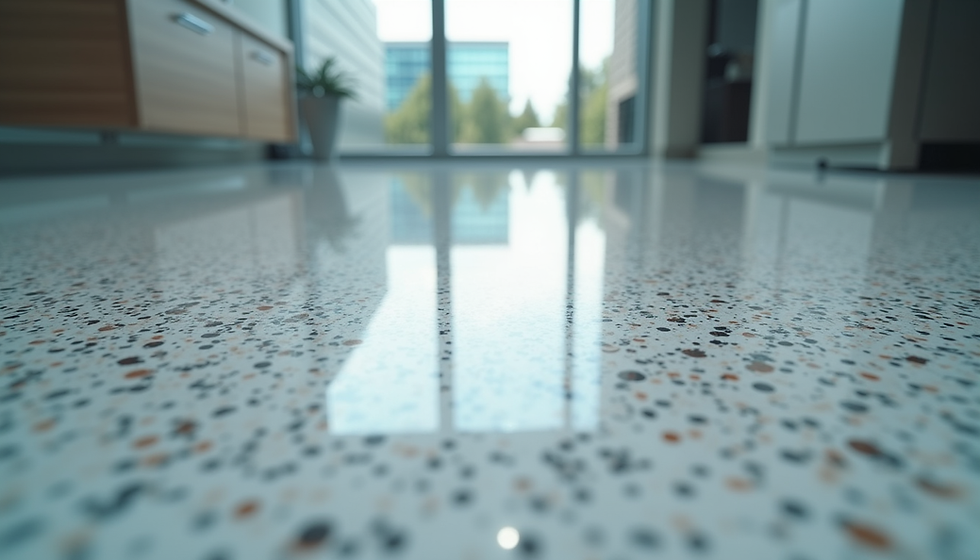
A decorative flake floor can completely change the feel of a garage. It looks cleaner, brighter, and more finished. For many homeowners, it makes the space feel less like a catch-all storage bay and more like an extension of the home.
That said, appearance should never be sold ahead of performance. A pretty floor that peels is still a failed floor. The best installs do both. They hide minor imperfections in the slab, improve light reflectivity, and create a more polished look while still standing up to daily abuse.
Texture is another place where balance matters. Too slick and the floor can be unsafe when wet. Too aggressive and it becomes harder to clean and less comfortable to walk on. A seasoned installer knows how to match the finish to the way the space is actually used.
Is DIY ever worth it?
For most homeowners, not really. That may sound blunt, but it is the honest answer. Garage floor coating failure is expensive because you are not just paying for new material later. You are paying to grind off the old mistake first.
Most DIY kits are built around convenience, not long-term performance. They are usually thinner, less tolerant of slab issues, and heavily dependent on ideal conditions that real garages rarely have. Even if the product were decent, most homeowners do not have the equipment to grind the slab correctly or test for conditions that affect adhesion.
If you are serious about getting years out of the floor, professional prep and installation are not a luxury add-on. They are the foundation of whether the system works at all.
How to judge a contractor without getting buried in jargon
You do not need a chemistry degree to spot the difference between a real installer and a fast-talking salesperson. Ask what prep method they use. Ask what material system they install and why. Ask how they handle cracks, moisture, and topcoat selection. Ask what tends to go wrong with bad installs.
A good contractor will not be offended by those questions. In fact, they should welcome them. People who know what they are doing generally have no issue explaining why quality costs more and lasts longer.
That is also where experience matters. After thousands of floors, patterns become obvious. You see what survives hot tires, what handles moisture better, what wears well in bright garage openings, and what brands or systems tend to disappoint. That kind of field knowledge is worth more than a glossy brochure every time.
A resin garage floor coating is not just paint for concrete. It is a performance system, and if you treat it that way from the start, you have a much better shot at getting a floor that still looks good years from now. The smartest move is simple - choose the installer who talks straight, preps correctly, and builds the floor for real life, not for the sales photo.

Comments